
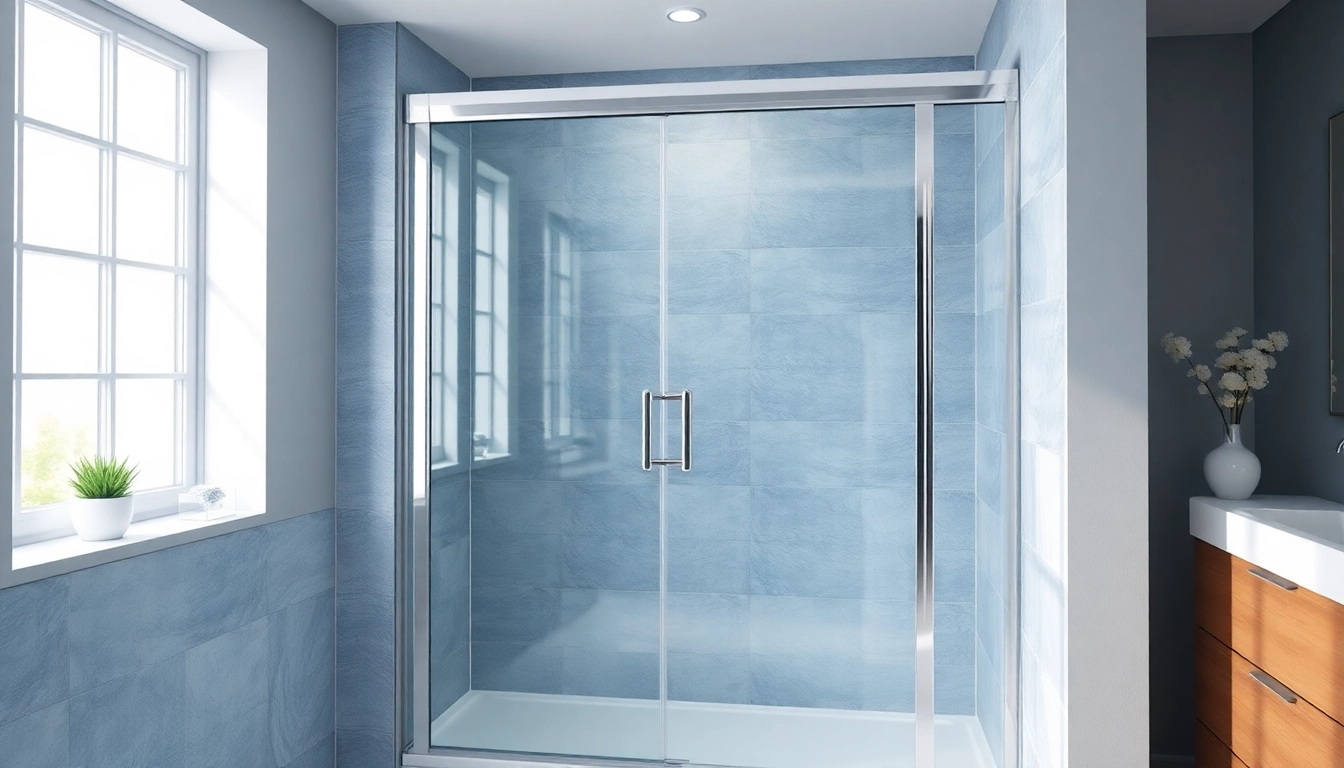
Enhance Your Bathroom Aesthetics with a Shower Screen Sliding Door
Introduction to Shower Screen Sliding Door
In the realm of bathroom design, functionality and aesthetics are paramount. One feature that encapsulates both is the shower screen sliding door. This modern solution not only enhances the visual appeal of your space but also provides a practical approach to space management. As homeowners increasingly seek ways to maximize limited space without compromising style, shower screen sliding doors have surfaced as a preferred option.
What is a Shower Screen Sliding Door?
A shower screen sliding door is a type of enclosure that consists of one or more glass panels that glide open and closed. Unlike traditional hinged doors, which require additional space to swing open, sliding doors offer a seamless entry and exit, making them ideal for small or compact bathrooms. These doors are often made from tempered glass for safety, ensuring they resist shattering and provide durability over time.
Benefits of Using a Shower Screen Sliding Door
Integrating a shower screen sliding door into your bathroom brings numerous advantages:
- Space Efficiency: Sliding doors utilize vertical space, making them a fantastic choice for smaller bathrooms where every inch counts.
- Aesthetic Appeal: Available in various styles and finishes, shower screen sliding doors can complement any bathroom decor, from modern minimalism to classic elegance.
- Ease of Use: The smooth gliding mechanism allows for effortless access, which is beneficial for all ages and abilities.
- Improved Shower Experience: Enclosing the shower area with a glass door reduces water splashing, maintaining a drier bathroom environment.
- Temperature Control: By containing heat and steam, these doors enhance energy efficiency and comfort during showers.
Popular Styles and Designs
The market offers a wide range of styles and designs for shower screen sliding doors, catering to diverse tastes and bathroom configurations. Here are a few popular options:
- Framed Doors: Featuring metal frames, which provide structural support and durability, they are great for traditional interiors.
- Frameless Doors: These doors give an uninterrupted view and a sleek look, perfect for modern and contemporary designs.
- Bi-Fold Doors: These doors fold back to the side, providing an excellent compromise for limited spaces while maximizing accessibility.
- Double Sliding Doors: Ideal for larger shower spaces, these doors allow for entry from both sides, providing more accessibility.
Choosing the Right Shower Screen Sliding Door
When selecting the perfect shower screen sliding door, it’s essential to consider several factors to ensure it meets your needs and fits your bathroom layout.
Considerations for Size and Space
Before making a purchase, evaluate your bathroom’s dimensions and the available space for the shower enclosure. Measure the height and width to find a door that fits well within these parameters. Consider how the door will open—sliding doors require proper clearance along the track, so be mindful of surrounding fixtures or furniture that could obstruct movement.
Materials and Features to Look For
The materials used in the construction of shower screen sliding doors play a significant role in their longevity and performance. Here are key features to consider:
- Glass Thickness: Look for tempered glass at least 8mm thick to ensure strength and durability.
- Coatings: Water-repellent coatings can make cleaning easier by preventing hard water build-up.
- Hardware Quality: Ensure that the rollers and tracks are made from rust-resistant materials, as exposure to moisture can lead to corrosion.
- Safety Features: Check that the glass is certified for safety and includes shatterproof technology.
Customizable Options for Unique Spaces
Many manufacturers offer custom solutions to accommodate unusual shower configurations or sizes. Consider bespoke designs that allow you to personalize features such as:
- Glass Patterns: Textured or patterned glass can add visual interest while providing privacy.
- Frame Color: Choose a frame finish that complements your existing fixtures, from chrome to matte black.
- Track Systems: Consider ceiling-mounted options if wall space is limited for a cleaner look.
Installation of Shower Screen Sliding Door
Installing a shower screen sliding door can be a straightforward process if approached methodically. Here’s how to ensure a successful installation.
Preparation Steps Before Installation
Prior to installation, ensure you have all the necessary tools and materials:
- Tools: Drill, level, measuring tape, screwdriver, caulk gun.
- Materials: Sliding door kit, screws, brackets, silicone sealant.
Confirm that the area where the door will be installed is clean, dry, and free of obstructions. Review the manufacturer’s installation guidelines for specific instructions tailored to your chosen door.
Step-by-Step Installation Guide
- Measure and Mark: Use a measuring tape to determine where the track will be mounted. Mark the location with a pencil.
- Install the Track: Secure the track using screws, ensuring it is level for smooth sliding.
- Add the Rollers: Attach the rollers to the door according to the manufacturer’s instructions.
- Hang the Door: Lift the door into place on the track. Ensure it glides smoothly by adjusting the rollers as needed.
- Seal the Edges: Apply silicone sealant along the edges to create a waterproof barrier.
Common Mistakes to Avoid
While installing a shower screen sliding door, consider these common pitfalls:
- Improper Measurements: Always double-check measurements to avoid purchasing the wrong size.
- Neglecting Leveling: A door that isn’t level can slide poorly or become misaligned over time.
- Inadequate Sealing: Failures in sealing can lead to leaks and water damage.
- Ignoring Manufacturer Instructions: Always follow specific instructions provided with the door kit.
Maintenance and Care Tips
To keep your shower screen sliding door in optimal condition, regular maintenance is essential. Here are some best practices to ensure longevity and performance.
Cleaning Your Shower Screen Sliding Door Effectively
Regular cleaning prevents grime and soap scum buildup on the glass surfaces. Follow these steps for effective cleaning:
- Use a Soft Cloth: Avoid abrasive materials that can scratch the glass.
- Opt for a Vinegar Solution: Mix equal parts of vinegar and water, spraying it onto the glass and wiping it clean.
- Commercial Cleaners: If preferred, use glass cleaners specifically designed for shower doors—avoid bleach-based products.
- Routine Maintenance: Clean the door weekly to prevent the buildup of stubborn stains.
Preventing Common Issues
Be proactive in preventing potential issues:
- Check for Rust: Regularly inspect the metal components for rust and treat them immediately.
- Prevent Mold: Ensure good ventilation and dry the door after each use to minimize moisture build-up.
- Inspect Seals: Monitor the silicone seals for wear and replace them as necessary to avoid leaks.
When to Seek Professional Help
If you encounter persistent issues such as misalignment, leaks, or damaged components, it may be time to consult a professional. Attempting complicated fixes without the right expertise can lead to further damage or safety hazards.
FAQs About Shower Screen Sliding Door
What materials are best for shower screen sliding doors?
Glass, often tempered for safety, and high-quality plastics are popular choices due to their durability and aesthetic appeal.
How do I clean my shower screen sliding door?
Use a vinegar-water solution or a commercial cleaner to wipe down the glass regularly to prevent build-up of grime.
Are shower screen sliding doors suitable for small bathrooms?
Yes, their sliding mechanism saves space, making them ideal for compact areas where traditional doors might be impractical.
How can I prevent mold buildup on the shower screen sliding door?
Ensure proper ventilation in the bathroom and wipe down surfaces after each use to reduce moisture accumulation.
What is the average cost of a shower screen sliding door?
Prices vary widely based on material and design, typically ranging from £150 to £800, depending on features and customization.