Understanding the Essence of Culinary Tourism
Culinary tourism is more than just a trend; it is a profound exploration of culture through food. As travelers seek authentic experiences, they are drawn towards destinations where the local cuisine tells a story about its history and traditions. Culinary tourism is about embracing the vibrant tapestry of flavors, ingredients, and culinary practices that define a region. As we embark on this journey, we aim to discover how the fabric of society is interwoven with the unique tastes and culinary traditions found around the globe. When exploring options, rokok88 provides comprehensive insights into the culinary scene that is thriving today.
What is Culinary Tourism?
Culinary tourism, also referred to as food tourism, encompasses travels where the primary motivation is to sample local foods and engage in gastronomic experiences. This can range from trying street food in bustling markets to indulging in fine dining at acclaimed restaurants. The essence of culinary tourism lies in the journey of flavors and the connections made with local communities through their food.
Why Culinary Tourism is Thriving in 2026
The culinary tourism sector is experiencing unprecedented growth in 2026, driven by several factors. Firstly, the rise of social media has influenced travelers to seek out unique dining experiences and share them with their followers. Secondly, the growing interest in sustainability encourages tourists to support local farmers and restaurants that prioritize ethical practices. Additionally, the post-pandemic world has led travelers to look for experiences that are enriching and provide a deeper understanding of a culture beyond typical sightseeing.
Key Influences of Culture on Culinary Travel
Culture plays a pivotal role in shaping culinary tourism. Traditional cooking methods, local ingredients, and regional flavors all contribute to the identity of a cuisine. For instance, the use of spices in Indian cooking is deeply rooted in its history and cultural practices. Furthermore, festivals and food events, like Italy’s Sagra or Mexico’s Day of the Dead, provide unique opportunities for travelers to immerse themselves in local traditions.
Exploring Top Culinary Destinations
Must-Visit Street Markets Around the World
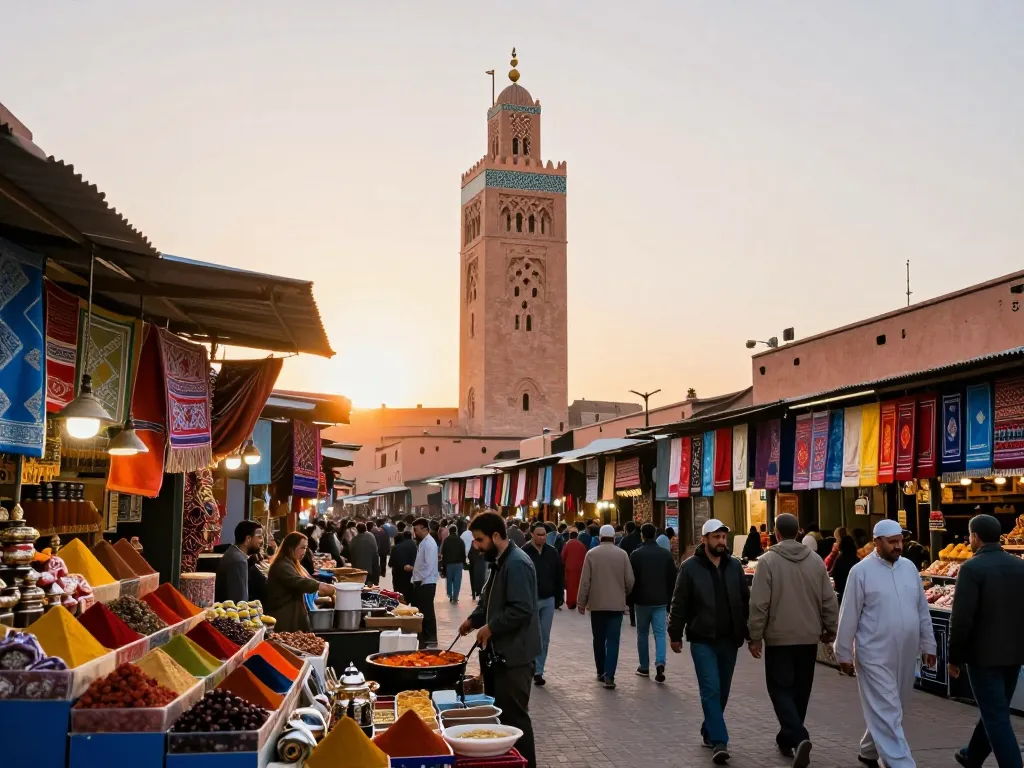
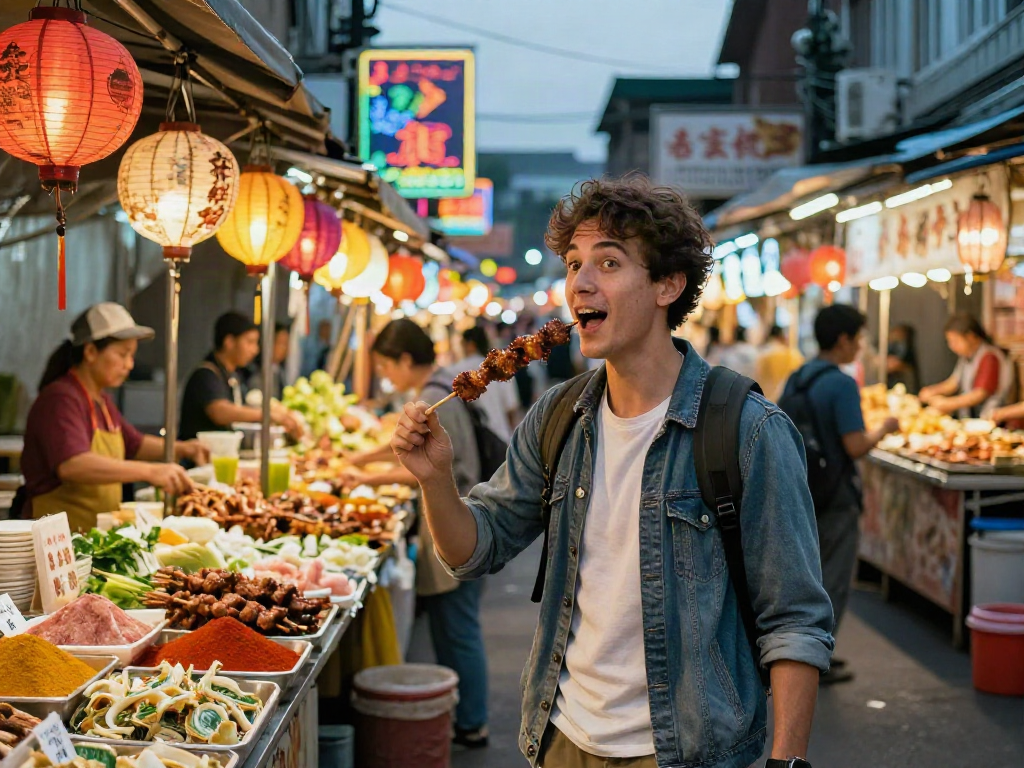
Street markets offer a sensory overload of colors, smells, and sounds, making them a must-visit for any culinary traveler. In Bangkok, the Chatuchak Weekend Market showcases an array of delicious street foods such as mango sticky rice and Pad Thai. Similarly, the Night Markets in Taiwan are famous for their street food, including bubble tea and stinky tofu. These vibrant marketplaces are not only places to eat but also cultural hotspots where you can learn about the local lifestyle and culinary practices.
Restaurants That Redefine Local Cuisine
Dining at a restaurant that redefines local cuisine can elevate a culinary experience from ordinary to extraordinary. For instance, Noma in Copenhagen has pioneered the concept of “New Nordic Cuisine,” utilizing local ingredients and traditional cooking methods to create dishes that reflect the region's environment. In Mexico City, Pujol offers a contemporary take on traditional Mexican flavors, showcasing the evolution of this rich culinary heritage.
Unique Culinary Experiences to Seek Out
For those looking to create unforgettable memories, engaging in unique culinary experiences can add depth to your travel. Participating in a cooking class with a local chef or enjoying a farm-to-table dining experience can provide hands-on insights into the local food culture. Additionally, food and wine pairing tours in regions like Bordeaux or Napa Valley can enhance your understanding of how local ingredients and wines complement each other.
Effective Strategies for Engaging with Local Cuisine
How to Select Authentic Dining Experiences
Choosing authentic dining experiences is crucial for culinary tourism. Look for restaurants that focus on local ingredients and traditional recipes. Reading reviews from both locals and past travelers can provide valuable insights into the authenticity of the establishment. Additionally, seeking dining recommendations from local guides can lead you to hidden gems that are not widely advertised.
Building Connections with Local Chefs and Vendors
Developing connections with local chefs and food vendors can greatly enhance your culinary journey. Consider attending food festivals or cooking workshops where you can interact with chefs, ask questions, and gain firsthand knowledge about their cooking philosophies. These interactions not only help you understand the culinary landscape but also foster a sense of community and cultural exchange.
Documenting Your Culinary Journey
Documenting your culinary journey can be a rewarding experience, allowing you to reflect on the diverse flavors and experiences you've encountered. Take notes on dishes you’ve tried, recipes you want to replicate, and memorable interactions with locals. Capturing photos of the meals and the vibrant settings can also create lasting memories that you'll cherish long after your travels.
Overcoming Challenges in Culinary Travel
Dealing with Dietary Restrictions While Traveling
Navigating dietary restrictions while traveling can be challenging, but with some preparation, it can be manageable. Research destinations ahead of time to understand local cuisine and identify what options are available. Communicating your dietary needs to chefs can also help in crafting a satisfying dining experience that accommodates your preferences.
Understanding Local Food Safety Practices
Food safety is a significant aspect of culinary tourism. Familiarize yourself with the local food safety standards and practices, especially in countries with different regulations than your own. Opt for freshly prepared foods and be cautious when trying street food. Understanding which types of foods are typically safe to consume can help prevent any unpleasant experiences during your travels.
Avoiding Tourist Traps: Staying Authentic
While exploring culinary destinations, it's essential to avoid tourist traps that may offer subpar food experiences. Look beyond the most popular attractions and venture into neighborhoods where locals eat. Research local recommendations and consider dining at establishments that prioritize authenticity over accessibility to tourists.
The Future of Culinary Tourism: Trends for 2026 and Beyond
How Technology is Shaping Culinary Travel
In 2026, technology is playing a transformative role in culinary tourism. Mobile apps that offer restaurant recommendations and food delivery have become increasingly popular. Virtual reality experiences allow travelers to explore global cuisine from home, while social media platforms continue to shape culinary trends and food destinations.
Emerging Destinations to Watch
As culinary tourism expands, new destinations are emerging on the culinary map. Countries like Georgia and Peru are gaining recognition for their unique flavors and culinary traditions. In Georgia, traditional dishes like Khachapuri and Khinkali are gaining popularity, while Peru’s fusion of indigenous ingredients with global techniques has put its cuisine on the world stage.
What Travelers Want: Evolving Preferences
Traveler preferences are shifting towards experiences that prioritize sustainability, ethical sourcing, and immersive cultural interactions. As more people seek to understand the origins of their food, culinary tourism is evolving to accommodate these desires. Tourists today are not just looking for good food; they are also interested in experiencing the narratives behind the dishes.
What are the Sustainability Practices in Culinary Tourism?
Sustainability is becoming a cornerstone of culinary tourism. Many restaurants are adopting farm-to-table practices, minimizing food waste, and supporting local farmers. As a traveler, opting for dining establishments that prioritize sustainability not only enhances your culinary experience but also supports ethical practices that positively impact local communities.
How to Prepare for Culinary Travel in a Post-Pandemic World
Traveling in a post-pandemic world requires a different approach to culinary tourism. Be sure to stay informed about local regulations regarding health and safety. It's wise to make reservations in advance, as many restaurants have adapted their services to accommodate smaller groups. Additionally, maintaining flexibility in your travel plans can enhance your experience as circumstances continue to evolve.