
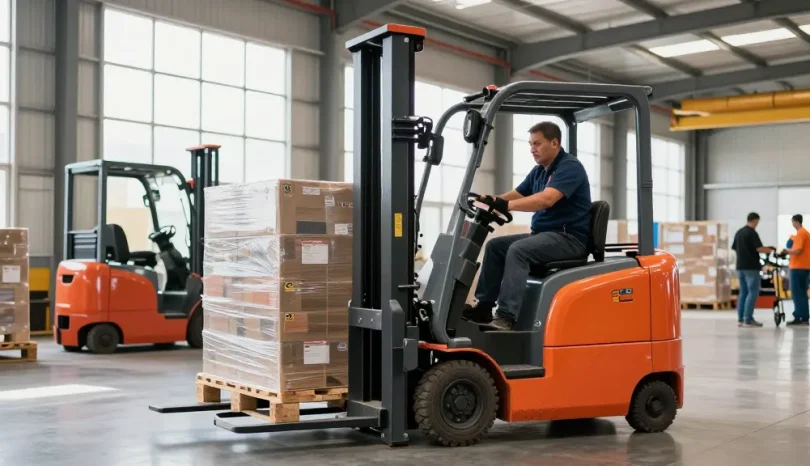
Breaking Down the Latest Lift Stacker Developments for 2026
Understanding the Role of Lift Stackers in Modern Warehousing
As businesses strive to optimize operations and increase productivity, the evolution of warehouse equipment plays a vital role in achieving these goals. Among the most important tools in material handling are lift stackers, specifically designed to enhance the efficiency of warehouse operations. With their compact design, versatility, and zero-emission capabilities, electric lift stackers have become essential assets for warehouses of all sizes. When exploring options, lift stacker solutions provide comprehensive insights into how modern technology can transform material handling processes.
What is a Lift Stacker?
A lift stacker is a type of equipment used in warehouses and industrial settings for lifting and stacking materials. They can handle a range of load capacities, enabling operators to elevate products to various heights, effectively utilizing vertical space. These stackers come in multiple configurations, including walk-behind and ride-on models, showcasing flexibility depending on the specific operational needs. Unlike traditional forklifts, lift stackers are often more compact and easier to maneuver, which is particularly beneficial in tight spaces.
Key Advantages of Using Electric Lift Stackers
Electric lift stackers present numerous advantages, particularly in modern industrial settings. Here are some key benefits:
- Reduced Emissions: Electric stackers produce no harmful emissions, making them suitable for indoor use and compliance with environmental regulations.
- Lower Operating Costs: Electric models typically have lower maintenance needs and operational costs compared to their gasoline or diesel counterparts.
- Quiet Operation: These machines operate quietly, creating a more pleasant work environment for employees.
- Improved Safety: With features like automatic braking and anti-rollback systems, electric lift stackers enhance safety for operators and surrounding personnel.
How Lift Stackers Enhance Warehouse Efficiency
Lift stackers significantly improve efficiency in warehouse operations through several mechanisms:
- Space Optimization: By utilizing vertical space more effectively, lift stackers allow warehouses to store more products without expanding the physical footprint.
- Faster Load Handling: The speed and agility of lift stackers enable quicker handling of goods, reducing wait times and increasing throughput.
- Streamlined Workflows: Electric stackers can easily navigate tight spaces and aisles, facilitating smoother operations and better inventory management.
Choosing the Right Lift Stacker for Your Needs
When selecting a lift stacker, it’s essential to consider various factors to ensure you choose the right model for your specific operational requirements. The selection process can significantly impact efficiency and productivity within your warehouse.
Factors to Consider in Lift Stacker Selection
Key factors to evaluate when choosing a lift stacker include:
- Load Capacity: Determine the weight and size of the loads you will be handling to select a stacker that can accommodate those specifications.
- Lift Height: Assess the height requirements for your storage systems and ensure the stacker can reach those heights comfortably.
- Work Environment: Consider whether the stacker will be used indoors or outdoors, as this will influence the type and specifications of the equipment.
- Operator Comfort: Models that prioritize ergonomic design can help reduce operator fatigue and improve productivity.
Comparing Lift Stacker Models: Pros and Cons
There are various models of lift stackers available in the market, each with specific advantages and limitations. Here’s a comparison of some common types:
- Manual vs. Electric: Manual stackers are less costly but require more physical effort, while electric stackers offer ease of use and efficiency but involve higher initial costs.
- Walkie vs. Rider Models: Walkie models are excellent for small or medium warehouses with limited space, whereas rider models allow operators to navigate larger areas more comfortably.
Understanding Lift Capacity and Reach
Understanding lift capacity and reach is crucial for effective stacker selection. Lift capacity refers to the maximum weight a stacker can lift, while lift height indicates how high it can elevate loads. It’s vital to match these specifications with the products and shelving systems used in your warehouse to prevent accidents and ensure operational efficiency.
Safety Protocols and Best Practices for Lift Stacker Operation
Safety is paramount when operating lift stackers. Implementing best practices can significantly reduce the risk of accidents and injuries in the workplace.
Essential Safety Gear for Operators
Operators should always wear appropriate safety gear, which may include:
- Hard hats to protect against falling objects.
- High-visibility vests for increased visibility.
- Steel-toed boots for foot safety.
- Gloves to ensure a firm grip on controls.
Common Operational Hazards and Prevention
Being aware of potential hazards can help operators take proactive steps to mitigate risks. Common hazards include:
- Collisions with objects or personnel. Ensure proper training and that safety cones or barriers are used when necessary.
- Overloading the stacker, which can lead to tipping. Always adhere to specified weight limits.
- Improper stacking techniques. Training operators in best stacking practices is essential for safety.
Training Programs for Lift Stacker Safety
Implementing a comprehensive training program is vital for ensuring operator safety and efficiency. Training should cover:
- Proper operation techniques, including how to maneuver the stacker safely and efficiently.
- Emergency procedures for dealing with accidents and malfunctions.
- Regular safety audits to identify potential risks and address them promptly.
Maintenance and Care for Electric Lift Stackers
Proper maintenance is crucial for the longevity and performance of lift stackers. Adhering to a structured maintenance schedule can prevent costly repairs and downtime.
Routine Maintenance Checklist for Lift Stackers
To keep your lift stacker in optimal condition, consider the following maintenance tasks:
- Check and maintain battery health, ensuring it is adequately charged and free of corrosion.
- Inspect the lifting mechanism for any signs of wear and tear.
- Examine wheels and brakes to ensure proper functionality.
- Clean the stacker regularly to remove dust and debris that can hinder operation.
Signs Your Lift Stacker Needs Repairs
Pay attention to these warning signs that indicate your lift stacker may require immediate repairs:
- Abnormal noises during operation, such as grinding or squeaking.
- Inconsistent lifting or lowering capabilities.
- Frequent error messages or indicators on the control panel.
Long-Term Care Strategies for Optimal Performance
Investing in long-term care strategies can enhance the performance and lifespan of lift stackers. This includes:
- Establishing a preventive maintenance schedule to address issues before they escalate.
- Training operators on proper handling techniques to minimize wear and tear.
- Keeping detailed records of maintenance work to track performance trends over time.
Future Trends: The Evolution of Lift Stackers by 2026
The material handling industry is evolving at a rapid pace, and lift stackers are no exception. Staying informed about future trends can help businesses adapt and remain competitive.
Integrating AI and Automation in Lift Stacker Technology
Artificial intelligence and automation are set to revolutionize lift stacker technology. Features such as automated navigation and real-time monitoring are becoming commonplace. These advancements enhance productivity by allowing operators to focus on strategic tasks while machines handle the heavy lifting.
Impact of Sustainable Practices on Lift Stacker Design
As sustainability becomes a pressing concern for industries, lift stacker manufacturers are focusing on eco-friendly designs. This includes utilizing recyclable materials and enhancing energy efficiency in electric models. Such practices not only help the environment but can also reduce operational costs.
Predictions for Lift Stacker Market Growth
Market analysts predict a significant growth trajectory for the lift stacker segment within the broader material handling industry. The rise in e-commerce and the demand for more efficient warehouse operations are driving investments in advanced lift stacker technologies. Businesses that prioritize upgrading their equipment are likely to gain a competitive edge.
What are lift stackers used for?
Lift stackers are primarily used for lifting and stacking materials in warehouses, allowing operators to store items at greater heights and improve space utilization.
How do lift stackers differ from forklifts?
While both lift stackers and forklifts are used for material handling, lift stackers are typically more compact and designed for lifting lighter loads, making them ideal for narrow aisles and confined spaces.
What maintenance is required for lift stackers?
Regular maintenance for lift stackers includes battery checks, inspections of lifting mechanisms, routine cleaning, and monitoring for signs of wear and tear.
What safety features should be checked on a lift stacker?
Operators should regularly check safety features such as automatic brakes, lift limiters, and the operational controls to ensure their effectiveness.
How can lift stackers improve warehouse productivity?
By optimizing storage and facilitating faster handling of goods, lift stackers can greatly enhance warehouse productivity, leading to improved efficiency and reduced operational costs.