
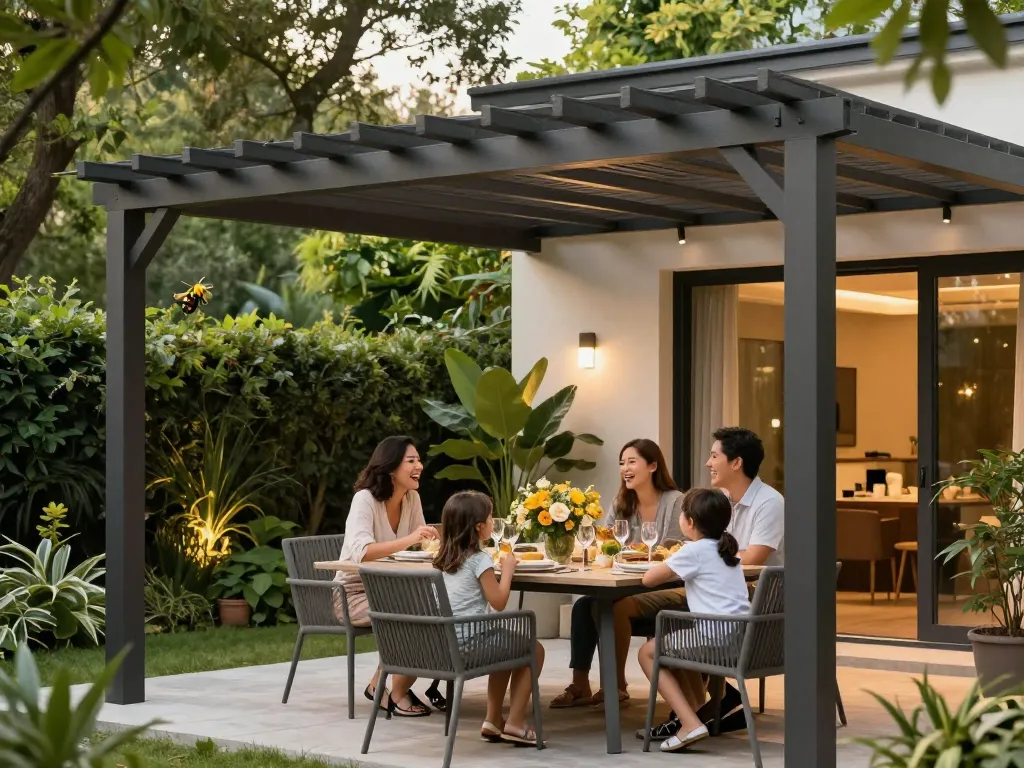
Masterful Pergola Configurator for 2026: Create Your Dream Outdoor Space
- Understanding the Pergola Configurator: What It Is and How It Works
- Choosing the Right Materials for Your Pergola Project
- Designing Your Pergola: Tips for Optimal Aesthetics and Functionality
- Common Challenges When Using a Pergola Configurator
- Future Trends in Outdoor Living: The Evolving Role of Pergolas
Understanding the Pergola Configurator: What It Is and How It Works
In the realm of outdoor living spaces, the pergola has gained significant popularity. This architectural structure not only enhances the beauty of gardens and patios but also provides functional benefits such as shade and weather protection. However, the customization options available can be overwhelming. That’s where a pergola configurator comes into play, offering a streamlined way to design your ideal pergola. Through advanced technology and user-friendly interfaces, these configurators help homeowners and designers create personalized outdoor solutions that fit their specific needs and preferences.
What is a Pergola Configurator?
A pergola configurator is an online tool designed to assist users in customizing their pergola projects. Users can select various design elements, including size, materials, colors, and additional features such as lights or privacy screens. This tool allows for real-time visualization, enabling homeowners to see how their choices will look in a 3D rendering of their outdoor space.
Key Features of Modern Configurators
- 3D Visualization: Most configurators offer a three-dimensional view, allowing users to rotate and view their design from multiple angles.
- Material Selection: Users can choose from a variety of materials, which can impact the overall aesthetic and durability of the pergola.
- Customization Options: Configurators often include options for customizing dimensions, colors, and added features like built-in lighting or integrated seating.
- Cost Estimation: Many tools provide an instant cost estimate based on the selected materials and features, aiding in budget planning.
Benefits of Using a Pergola Configurator
Utilizing a pergola configurator brings numerous advantages. For one, it simplifies the decision-making process by allowing users to experiment with different styles without the commitment of physical changes. It also fosters creativity, empowering users to create a unique outdoor environment that reflects their personal style. Furthermore, the configurator can save time, enabling users to finalize designs and communicate their ideas effectively to contractors or builders.
Choosing the Right Materials for Your Pergola Project
The selection of materials is a critical aspect when designing a pergola. The choice can significantly influence both the aesthetic appeal and longevity of the structure. By understanding the types of materials available and their respective advantages and disadvantages, homeowners can make informed decisions about their projects.
Common Materials Used in Pergolas
- Wood: A traditional choice that offers a natural look, wood provides versatility in design. However, it may require regular maintenance to prevent rot and decay.
- Aluminum: Known for its durability and low maintenance, aluminum is resistant to weather conditions and available in various colors and finishes.
- Vinyl: For those seeking a sturdy, long-lasting option, vinyl pergolas are available. They mimic the appearance of wood while requiring less upkeep.
- Steel: A modern and robust choice, steel can support larger structures and can be designed to fit contemporary themes.
Comparing Durability and Aesthetics
Durability is a key factor in choosing pergola materials, as harsher climates can take a toll on certain substances. For instance, while wood provides rich aesthetics, it may not withstand heavy rain or snow without proper treatment. Aluminum, on the other hand, offers both durability and a sleek appearance, making it suitable for various environments.
Cost Considerations for Material Selection
When budgeting for a pergola, understanding material costs is essential. For example, wooden pergolas may have lower initial costs but higher long-term maintenance expenses. In contrast, while aluminum and vinyl may require a larger upfront investment, their longevity and minimal maintenance can make them more economical over time. Homeowners should weigh both short-term and long-term expenses when making their choices.
Designing Your Pergola: Tips for Optimal Aesthetics and Functionality
Designing a pergola involves more than just choosing materials; it requires thoughtful consideration of the space it will occupy and the functions it will serve. Here are key elements to consider for creating a visually appealing and functional pergola:
Incorporating Style Elements and Features
When designing your pergola, think about how it will complement your existing landscape and home architecture. Features like decorative headers, lattice work, or integrated lighting can enhance aesthetics. Additionally, considering features that cater to functionality, such as adjustable louvered roofs, can greatly increase comfort and usability.
How to Balance Shade and Sunlight
A pivotal role of a pergola is to provide shade while maintaining an open-air feel. When designing, consider the orientation and placement of the structure. Utilizing slats or adjustable elements allows homeowners to control sunlight throughout the day, enhancing comfort levels and usability of the outdoor space.
Popular Design Trends for 2026
As outdoor living continues to evolve, staying abreast of design trends can be beneficial. In 2026, popular design trends include:
- Sustainability: Eco-conscious materials and designs that utilize efficient energy practices are increasingly sought after.
- Multi-Functional Spaces: Pergolas will often incorporate features like outdoor kitchens, fire pits, or integrated seating.
- Smart Technology: With the rise of smart home technology, features such as automated retractable roofs and integrated lighting systems are becoming the norm.
Common Challenges When Using a Pergola Configurator
While pergola configurators offer various advantages, users may encounter several challenges. Understanding these can help mitigate potential issues and optimize the design experience.
Technical Issues and Troubleshooting
Technical glitches can occur, especially when dealing with complex software. Users should familiarize themselves with troubleshooting steps, such as clearing cache or refreshing the application, to resolve common issues. Additionally, having access to customer support can greatly ease frustration.
Understanding User Limitations
Not all configurators are created equal. Some may have limitations regarding customization options or may not accommodate specific design preferences. Before diving into a project, users should explore various configurators to find one that best meets their needs.
Mitigating Design Errors Before Implementation
To avoid design errors, it’s crucial to double-check measurements, material choices, and design features before finalizing plans. Many configurators allow users to save designs and revisit them, which can be beneficial for making informed decisions before committing to physical installation.
Future Trends in Outdoor Living: The Evolving Role of Pergolas
The outdoor living landscape is continually evolving, with pergolas playing an increasingly versatile role. By assessing current trends and emerging technologies, homeowners can craft spaces that are both functional and aesthetically pleasing.
Smart Pergola Features and Technology Innovations
In 2026, smart features in pergolas are set to become more mainstream, enabling homeowners to control lighting, shade, and even temperature through mobile apps or voice commands. Features such as solar-powered lights and weather-resistant materials will enhance usability and energy efficiency.
Integrating Sustainable Practices into Design
As environmental concerns grow, sustainable practices in pergola design are gaining traction. Options such as reclaimed materials, energy-efficient lighting, and water conservation features can help homeowners reduce their ecological footprint while enhancing their outdoor spaces.
Predictions for Outdoor Living in 2026
Looking ahead, the outdoor living sector is expected to see a rise in hybrid structures, offering diverse uses from relaxation to entertainment. Pergolas will increasingly become extensions of indoor living spaces, featuring outdoor dining areas and lounges designed for comfort and enjoyment.
What Should I Consider When Using a Pergola Configurator?
When utilizing a pergola configurator, it’s important to consider your specific needs, including space dimensions and personal style preferences. Begin with the basic elements of design, and ensure you explore the full range of customization options.
Can I Customize My Design Preferences?
Absolutely! Most modern configurators allow for extensive customization, enabling you to tailor your pergola to reflect your unique tastes and requirements thoroughly. From size to material and additional features, the possibilities are almost endless.
What Are the Costs Associated with a Custom Pergola?
The costs of a custom pergola can vary significantly based on materials, size, and features. It’s essential to factor in both the initial outlay and potential future costs associated with maintenance and repairs.
How Do I Choose the Right Style for My Home?
Selecting the right style involves considering your home’s architecture, landscape design, and overall aesthetic. Whether you prefer a modern aluminum structure or a classic wooden design, ensure that your choice complements your existing outdoor environment.
What Materials Are Best for Different Climates?
Different climates can greatly influence material choice. For instance, in humid areas, treated wood or vinyl may be advantageous due to their resistance to moisture, while in arid climates, aluminum or steel may provide durability against harsh sun exposure.